
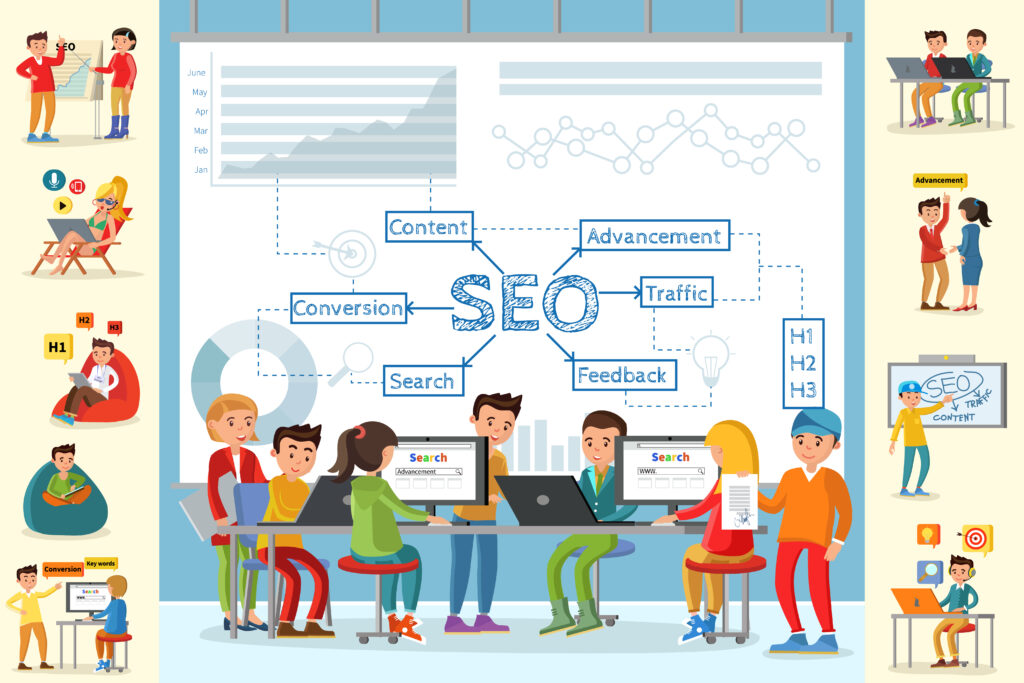
When was the last time you have checked something over google. Likely today or few minutes’ back- but here’s thought: have you ever gone beyond the first page of the result? Most people don’t, that’s the reason businesses and owners strive to land on page and this where SEO (Search Engine Optimization) becomes important.
If you’re just starting in the online world and curious about what is SEO and how it really functions, this beginner’s guide will give you the basic knowledge of SEO.
What is SEO?
It is a process of enhancing the enhancing the website visibility in search engine result page to boost organic traffic. It involves optimizing website content and structure of the website so that search engine can better understand and rank your website. This way users can easily find your information when they look for related terms. The aim is to attract more qualified visitors to your site by increasing its authority and relevance in the eyes of search engine like google.
For Example: If you run a bakery in Delhi and someone types “best chocolate cake near me”, SEO makes sure your bakery pops in those search result. Instead for paying ads, SEO is all about unpaid traffic – the visitors who comes to your website naturally.
Why does SEO matter?
A stunning website won’t do any good if no one can find it on search engine result page. Here’s why SEO is essential for every business:
- Increase Visibility & Traffic: A top search ranking puts your business in front of more potential users, leading to organic traffic to your site.
- Builds Trust & Creditability: People usually trust organic search results more than paid ads, so having a solid ranking helps position your brand as an authority.
- Improves User Experience: SEO is all about optimizing your website element like page speed, navigation and content quality, which results in better experience for users.
- Guides Business Growth: SEO offers valuable insights into customer behavior and preferences which can be used to improve content, marketing strategies and overall business offerings.
Types of SEO:
There are mainly three types of SEO that helps to build your website. Here are they:
- On Page SEO: This is all about optimizing element on your website individual page to help search engine understand them better and make more relevant users. Key characteristics that include high quality content, keyword usage and improving HTML tags.
- Off Page SEO: This type of SEO is focused on enhancing your website visibility from outside source. It includes gaining backlinks from trustworthy source, getting mention on social media and other external signals.
- Technical SEO: This emphases on the backend and technical features of a website how to boost search engines crawl, index and comprehend the site. Key fundamentals include site speed, mobile compatibility, structured data and overall site architecture.
How Can Beginners Start With SEO?
If SEO seems to be very complicated. Here are some simple steps to get started:
- Discover Keyword: utilize free tool to find out what your audience is searching for.
- Valuable Content: Produce a content that help users like FAQs, case studies, blogs or guides.
- Optimize Your Website: While doing SEO make sure it’s fast, mobile friendly and easy to navigate.
- Build Backlinks: Collaborate with website, blogs or directories to represent your website.
- Analyze the Result: Use google analytics or search console to measure your result.
Conclusion:
SEO isn’t only about satisfying search engines – it’s also about enhancing the experience of your audience while making sure your website gets the recognition it deserves. If you’re truly committed your website online presence, SEO is the best long term investment you can make. At Keyword India Pvt. Ltd. our team of SEO specialist assists business of all sizes in boosting visibility and connectivity of your website. Whether you just started or looking to level up your digital strategy, we are here to support your digital strategy.